
Industrial Automation in Nigeria: Where to Start
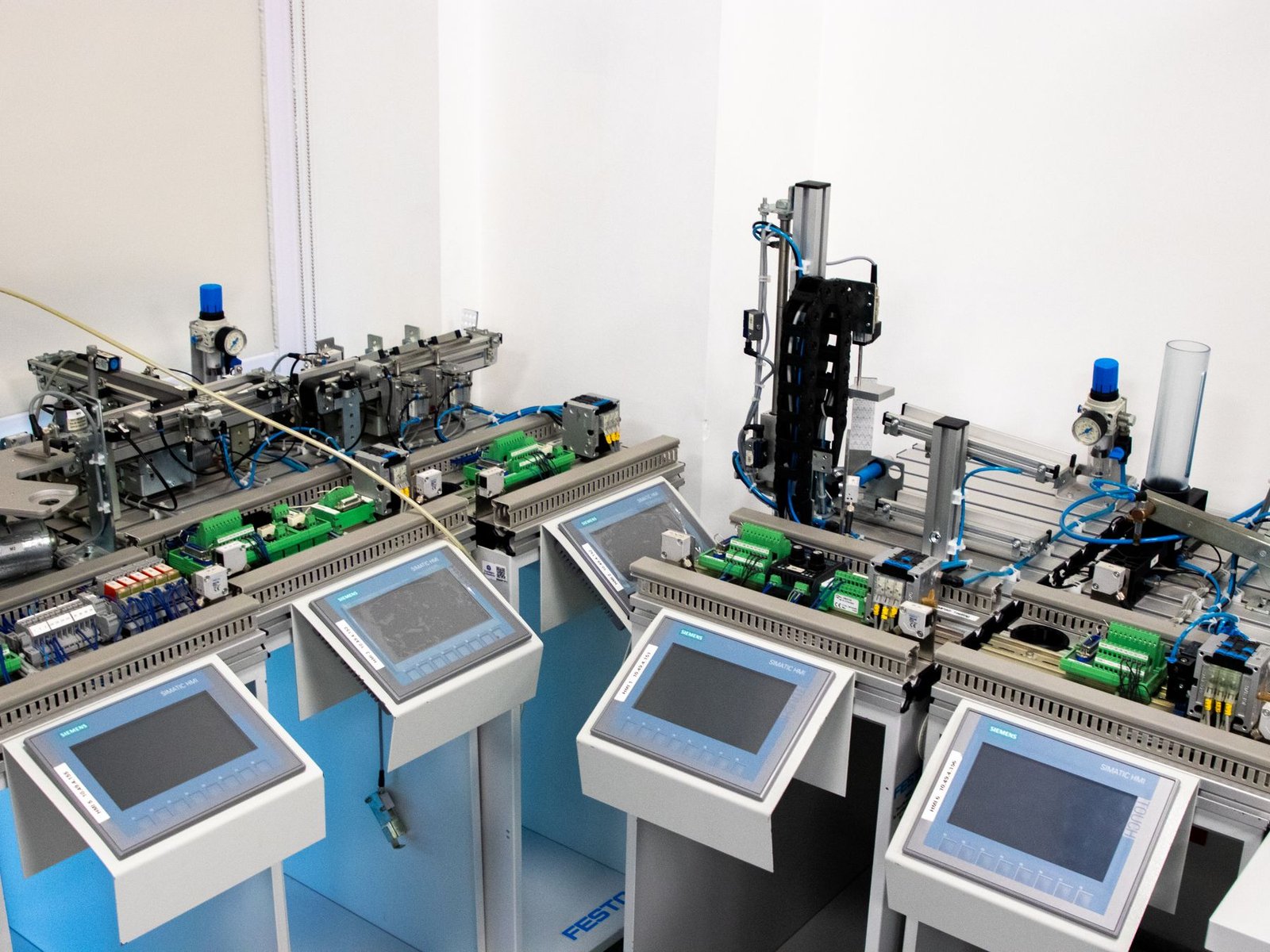
Industrial automation uses control systems, sensors and machinery to carry out tasks with less manual intervention. Done well, it can improve consistency, safety and visibility. Done poorly, it adds complexity without solving the real problem.
Choose the right process first
Look for tasks that are repetitive, unsafe, error-prone or limiting output. Measure the current position, including downtime, rejects and labour time, so you can judge the result later.
Common automation building blocks
- Sensors and instruments measure temperature, pressure, level and flow.
- PLCs run the control logic.
- HMIs let operators see and manage the process.
- Drives and actuators control motors, valves and movement.
- Data systems record trends and alarms.
Plan for local conditions
Power quality matters. Voltage protection, clean earthing, backup for controls and safe restart after an outage should be part of the design. Heat and dust can also affect electronics, so check panel protection and ventilation.
Upgrade in stages
You do not always need to replace a whole line. Start with one machine or process, prove the result and then expand. Check that new controls work with existing equipment and that parts can be sourced.
Keep people involved
Operators and maintenance staff know where problems occur. Involve them early, train them properly and keep clear drawings, backups of control programs and fault-finding instructions.
Questions to ask before you start
- What problem are we solving, and how will we measure it?
- What happens if the system fails?
- Who will maintain it, and where will parts come from?
- Can it expand as production grows?
Talk to an engineering team
Calorex Group provides industrial automation alongside fabrication and industrial engineering. Contact us to discuss your plant.