
Industrial Boiler Maintenance Checklist for Safe Operation
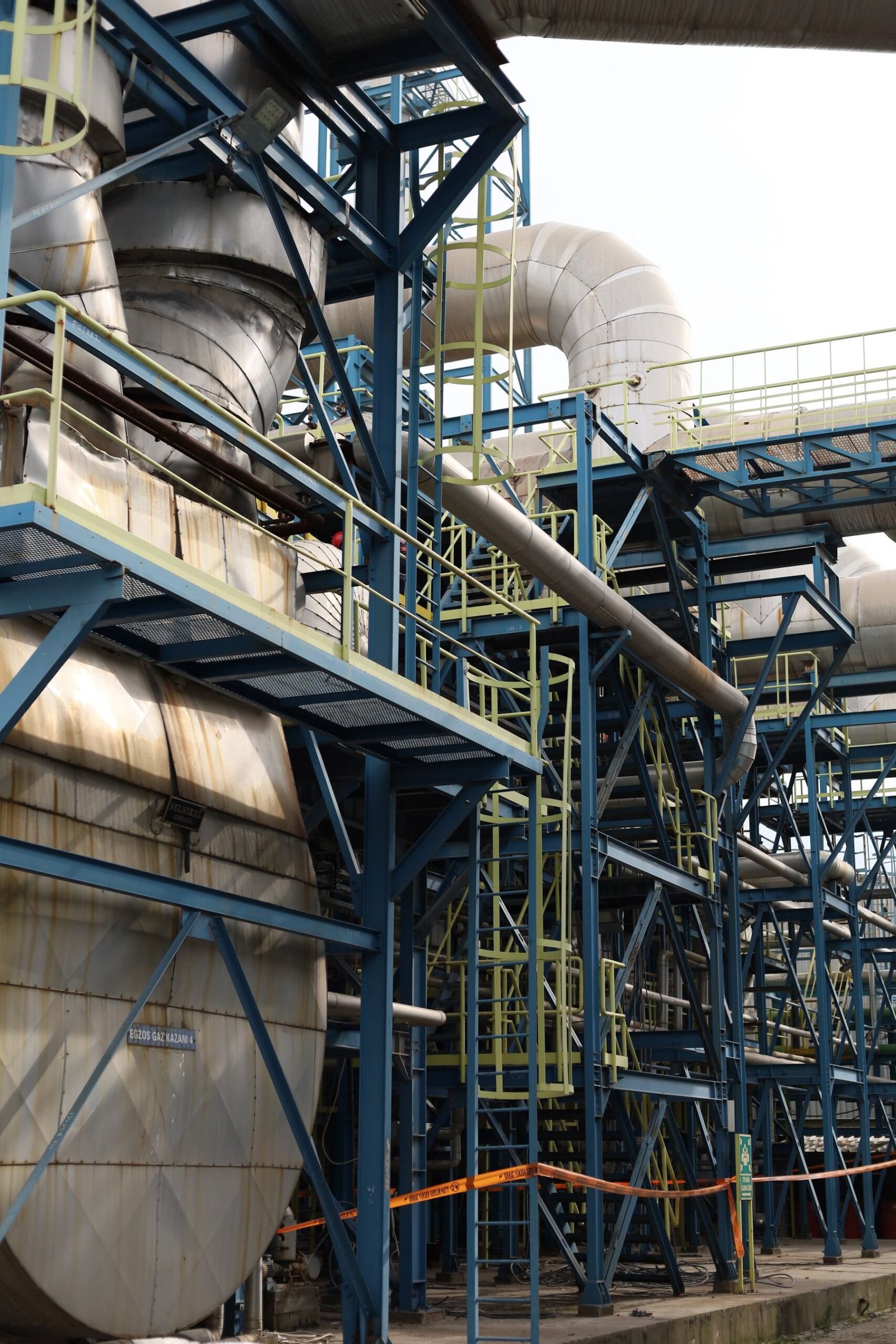
Industrial boilers supply steam and heat to factories, food processors, laundries, hospitals and many other sites. They operate under pressure and at high temperature, so maintenance protects people as well as output. Good upkeep also saves fuel, because a dirty boiler has to work harder for the same result.
Use this checklist as a starting point. Always follow your manufacturer’s manual and any statutory inspection requirements, which take priority.
Daily checks
- Check the water level and confirm the gauge glass is clear.
- Record steam pressure, feedwater temperature and stack temperature.
- Blow down the boiler as your water treatment programme specifies.
- Check that low-water controls are working, using the manufacturer’s procedure.
- Look and listen for leaks, unusual noise and changes in the flame.
Weekly checks
- Inspect the burner and clean the flame scanner if required.
- Check fuel pressure and look for leaks along the fuel line.
- Test water chemistry and adjust chemical dosing.
- Inspect feedwater pumps and condensate return.
Monthly checks
- Test safety valves as the manufacturer and your competent person instruct.
- Inspect the combustion air supply and clean any filters.
- Check flue gases to confirm efficient combustion.
- Inspect insulation, steam traps and visible pipework.
- Review the logbook for gradual changes in pressure, temperature or fuel use.
Annual shutdown tasks
- Open and clean the waterside to remove scale and sludge.
- Clean the fireside to remove soot.
- Inspect tubes, shell, furnace and refractory.
- Service the burner and recalibrate controls.
- Inspect or recertify safety valves and pressure gauges.
- Arrange an inspection by a competent person, as local rules and your insurer require.
Why water treatment matters most
Poor water treatment is among the most common causes of boiler damage. Dissolved minerals form scale on heat transfer surfaces. Scale acts as an insulator, which increases fuel use and can overheat the metal. Dissolved oxygen can cause pitting corrosion. A suitable programme usually combines softening, deaeration, chemical treatment and controlled blowdown. Groundwater quality varies widely, so test your own supply and do not assume a standard treatment will fit.
Safety devices you should never bypass
- Safety valves release excess pressure.
- Low-water cut-offs shut down the burner when water falls too low.
- Pressure controls keep operation within safe limits.
- Flame safeguards stop fuel when no flame is detected.
A bypassed safety device is a serious hazard. If one keeps tripping, shut the boiler down safely and find out why.
Warning signs that need urgent attention
- Water level that fluctuates or cannot be seen
- Pressure above normal limits
- Black smoke or a sudden change in flame colour
- Rising stack temperature, which often points to scale or soot
- Rumbling, banging or water hammer in the lines
- Leaks around tubes, doors or fittings
Install it correctly from the start
Maintenance is much easier when the boiler is well installed. Plan for adequate room ventilation, safe flue routing, service clearance, water treatment and properly supported steam pipework. Our industrial piping guide covers the lines connected to your boiler.
Keep records
A simple daily log turns slow changes into visible trends. Over time, those records make it easier to plan shutdowns and spot problems before they stop production.
Talk to an engineering team
Calorex Group provides steel fabrication and industrial engineering services. If you are planning a project, contact us with your drawings or a short description of what you need.