
Industrial Piping Installation and Maintenance: A Guide
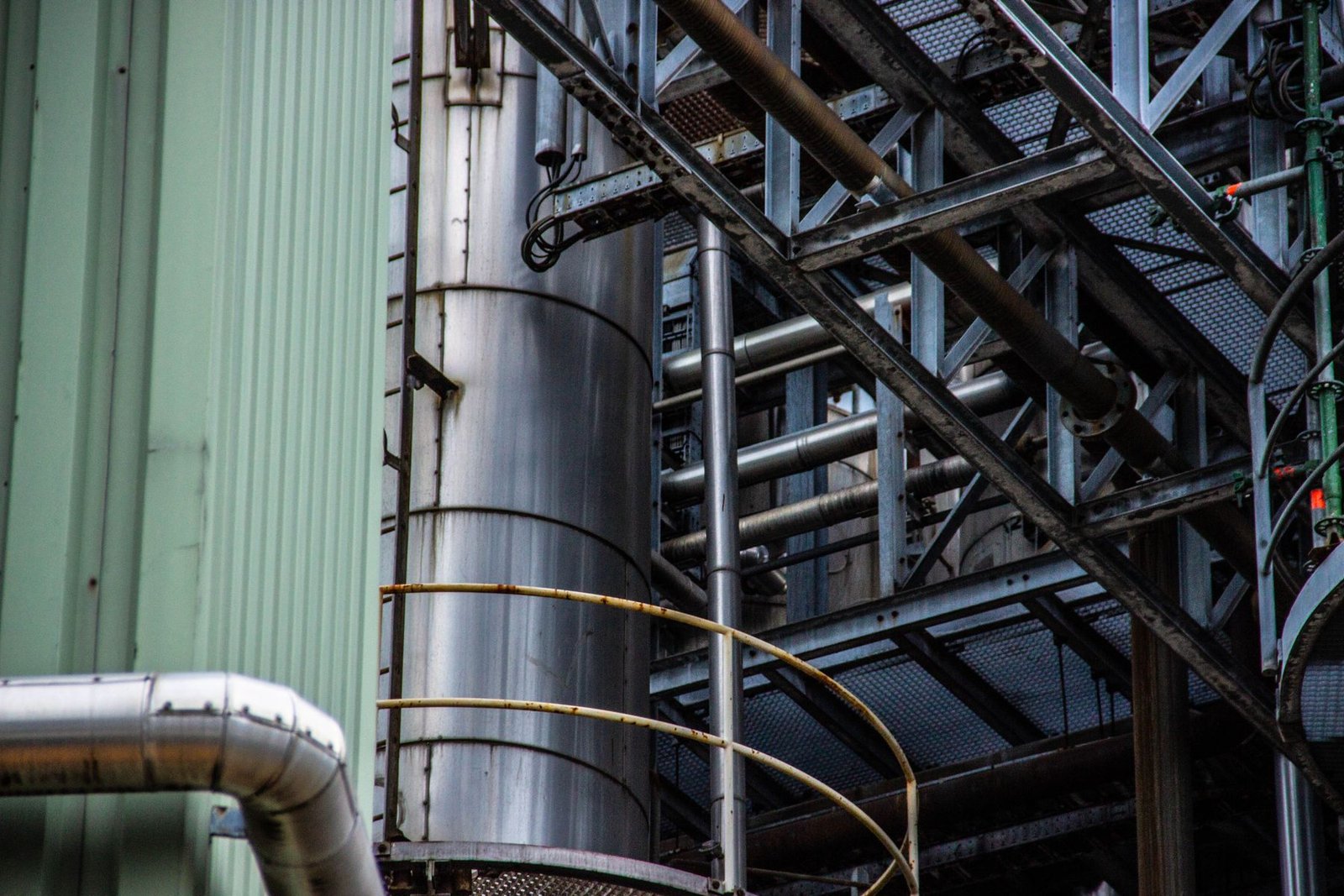
Piping connects almost every process in a plant, carrying water, steam, air, fuel and chemicals. When it is well designed and maintained, it receives little attention. When it fails, it can stop production and create serious safety risks.
This guide explains how to approach the installation and maintenance of industrial piping.
Start with the service conditions
Every sound piping decision begins with these facts:
- What fluid does the line carry?
- What are its operating and design pressures?
- What is its temperature range?
- Is the fluid corrosive, flammable or toxic?
- What flow rate does the process need?
Choose the right material
Carbon steel suits many water, steam and oil services. Stainless steel is often chosen for corrosive or hygienic applications such as food and pharmaceutical production. Plastic piping can suit some low-pressure and corrosive services. The right choice depends on service conditions, so it should be confirmed by an engineer.
Work to a recognised code
Using an appropriate code keeps design, fabrication and testing consistent. ASME B31.3 is widely used for process piping, and ASME B31.1 for power piping. Fire water systems have their own standards, such as those from the NFPA. Confirm which ones apply, along with any client or insurer requirements.
What good installation looks like
Proper supports
Supports carry the weight of the pipe and its contents, and they control vibration. Too few supports can cause sagging and stress at connections.
Allowance for thermal expansion
Hot lines grow as they heat up. Loops, expansion joints and carefully placed guides stop that movement from damaging pipes and connected equipment.
Controlled welding
Use qualified welders and approved procedures. Fit-up, cleanliness and weld inspection all affect the integrity of the joint.
Access and identification
Valves, drains and instruments should be easy to reach. Clear labels showing contents and flow direction help operators and make maintenance safer.
Insulation
Insulating hot lines reduces energy loss and protects people from burns. It should be installed so that moisture cannot become trapped against the steel.
Testing before start-up
New or repaired piping is normally pressure tested to confirm that it is sound. Hydrostatic testing with water is the usual method. Pneumatic testing stores far more energy and needs stricter controls, so use it only where it is justified and properly assessed. Flush the system afterwards to remove debris, and keep records of every test.
Warning signs to watch for
- Visible leaks, stains or dripping at joints
- Rust, especially at supports and under damaged insulation
- Unusual vibration or hammering noises
- Sagging lines or broken supports
- Valves that stick or will not seal
A simple maintenance routine
- Keep a line register listing each line’s service, pressure, material and last inspection date.
- Walk the lines regularly and record what you find.
- Measure wall thickness at higher-risk points using ultrasonic testing. API 570 gives useful guidance on in-service piping inspection.
- Check for corrosion under insulation, which can remain hidden for a long time.
- Exercise and service valves so they work when needed.
- Record every repair to reveal recurring problems.
Why this matters
Planned inspection costs far less than an emergency shutdown. Start with your highest-risk lines, then build from there. Steam lines are a good place to begin, and our boiler maintenance checklist covers the equipment that feeds them.
Talk to an engineering team
Calorex Group provides steel fabrication and industrial engineering services. If you are planning a project, contact us with your drawings or a short description of what you need.